Recycling and Sustainability at Hackney Marshes Storage
 At Hackney Marshes Storage, sustainability is built into the way we operate every day. Our approach to recycling is practical, local, and focused on reducing waste wherever possible. We are working towards a recycling percentage target of 90% across our day-to-day operational waste streams, with regular monitoring to help keep performance on track. That means prioritising reuse, separating recyclables carefully, and making sure materials such as cardboard, plastics, metals, and paper are recovered through the right channels. We also aim to support the wider environmental goals of the communities we serve by choosing processes that reduce landfill use and lower the carbon impact of storage activity.
Because storage facilities can generate a range of packaging and operational waste, our recycling strategy is designed around clear separation and responsible handling. In areas like Hackney and neighbouring boroughs, waste collection systems often encourage residents and businesses to separate dry mixed recyclables from food waste and general rubbish. We reflect that local approach by sorting materials at source wherever practical, which helps improve recycling quality and reduce contamination. Simple steps such as flattening cardboard, separating soft plastics from rigid packaging, and keeping metal items out of general waste all contribute to more effective recycling outcomes.
The Hackney Marshes Storage recycling plan also considers the local infrastructure available for transfer and recovery. We work with local transfer stations that can handle mixed commercial waste responsibly, helping ensure that reusable and recyclable materials are diverted away from disposal. These facilities play an important role in the waste chain, particularly in densely populated urban areas where efficient processing is essential. By routing materials through appropriate transfer points, we can support more consistent sorting, better onward recycling, and reduced mileage compared with less local options.
 Partnerships are another important part of our sustainability commitment. Hackney Marshes Storage supports charities and community organisations by prioritising donation and reuse before recycling whenever suitable items are identified. Office furniture, shelving, storage accessories, and usable household goods may be passed on for second life where condition and regulations allow. This reuse-first mindset helps reduce unnecessary disposal while giving value to items that still have practical use. In boroughs with strong reuse networks, this kind of partnership also helps reduce demand for new goods and supports a circular economy mindset across the area.
Our charity partnerships are especially valuable when customers clear storage units and need a responsible way to handle items they no longer want. Rather than sending everything to waste, we look for opportunities to separate out goods that can be reused, repaired, or redistributed. This can include books, kitchenware, textiles, and sometimes small furnishings, depending on condition and safety checks. By working with local charitable groups, the Hackney Marshes Storage sustainability programme helps extend product life and keep useful materials in circulation for longer.
The middle of our waste approach is built on a simple principle: recycle what cannot be reused, and reuse what does not need to be thrown away. For items that are not suitable for donation, we aim to send them into recognised recycling streams such as metals recovery, cardboard baling, and plastic segregation. We also encourage careful separation of general waste from recyclable material so that valuable resources are not lost during collection. This is particularly relevant in London boroughs where household and commercial waste separation rules are increasingly focused on reducing contamination and improving recovery rates.
 Transport is another area where we are making measurable improvements. Hackney Marshes Storage is gradually expanding the use of low-carbon vans for local collections and waste movement, helping reduce emissions associated with servicing storage customers and moving recyclable materials to the right facilities. Lower-emission vehicles can make a significant difference in a city environment, where stop-start traffic and short journeys often increase fuel use. By choosing more efficient vans, we are cutting the carbon footprint of routine operations while still maintaining reliable service.
Our vehicle strategy includes modern engines, better fuel management, and route planning that reduces unnecessary mileage. Where possible, collections are grouped to minimise repeated trips, and loads are organised to maximise efficiency. This may seem like a small change, but across a busy urban storage business it can make a meaningful difference. Fewer empty miles mean less fuel burned, lower emissions, and a more responsible approach to moving items between customers, transfer stations, and reuse partners.
We also pay attention to the broader impact of the materials we handle. Packaging waste from storage, particularly cardboard and plastic wrapping, can add up quickly. That is why we encourage careful handling of incoming and outgoing materials, with a clear focus on recovering recyclable content. In local boroughs that separate dry mixed recycling from food waste and residual rubbish, our practices align with the same idea: clean streams are easier to process and more likely to be turned into new products. This local consistency helps support stronger recycling performance across the community.
At Hackney Marshes Storage, sustainability is not treated as a one-off initiative. It is an ongoing process involving staff training, waste audits, better sorting, and continuous improvement. We review how waste is generated and how it moves through the system, with the aim of increasing our recycling rate while reducing the amount sent to landfill. The long-term target remains 90%, but we also recognise that the journey matters: every improved sorting decision, every reuse partnership, and every lower-emission journey contributes to a greener operation.
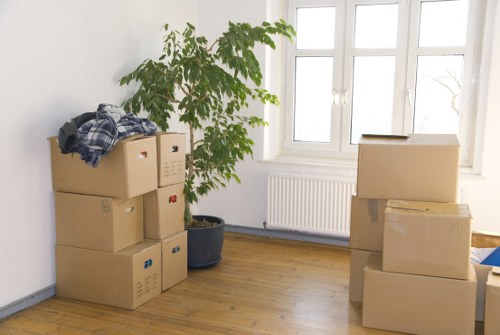 This approach is especially important in a borough landscape where recycling expectations continue to evolve. Many local areas now place greater emphasis on separating paper, glass, tins, plastics, and food waste, which makes residents more familiar with careful waste sorting. We mirror that attitude in our own operations by keeping recyclable materials distinct and directing them to appropriate recovery routes. The result is a more efficient system that supports local environmental goals and reduces avoidable waste.
 Looking ahead, Hackney Marshes Storage will continue to invest in practical sustainability measures that make sense for our customers and our community. That means expanding the use of low-carbon vans, maintaining strong ties with charities, using local transfer stations responsibly, and improving recycling performance wherever possible. By combining reuse, recycling, and cleaner transport, we aim to provide storage services that are not only secure and convenient, but also more environmentally conscious for the long term.