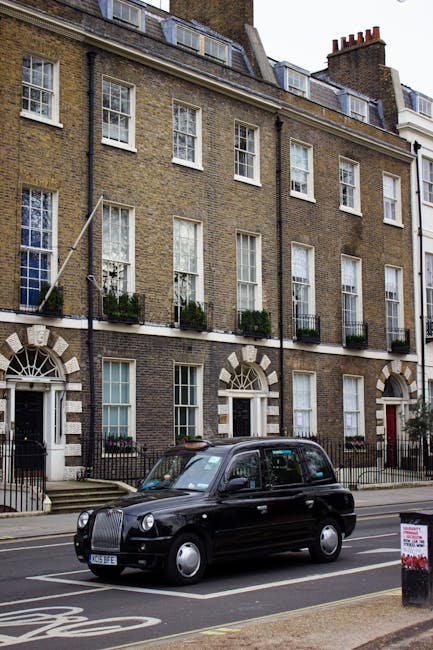
Hackney Marshes house removals near Homerton station: a practical guide for a smoother move
Moving home around Hackney Marshes and Homerton station can feel straightforward on paper, then suddenly the reality kicks in: narrow streets, awkward parking, a pile of boxes in the hallway, and a train to catch because life does not stop for a move. If you are planning Hackney Marshes house removals near Homerton station, the smartest approach is to treat it as a local logistics job, not just a van and a few strong arms. The right planning can save time, stress, and a lot of back-and-forth on moving day.
This guide walks through the full process in plain English. You will see how a house removal is usually organised, what to look out for near Homerton, when storage can help, and which mistakes people make most often. There is also a checklist, a comparison table, and a real-world example so you can picture the move before it happens. Truth be told, that makes a big difference.
Table of Contents
- Why Hackney Marshes house removals near Homerton station Matters
- How Hackney Marshes house removals near Homerton station Works
- Key Benefits and Practical Advantages
- Who This Is For and When It Makes Sense
- Step-by-Step Guidance
- Expert Tips for Better Results
- Common Mistakes to Avoid
- Tools, Resources and Recommendations
- Law, Compliance, Standards, or Best Practice
- Options, Methods, or Comparison Table
- Case Study or Real-World Example
- Practical Checklist
- Conclusion
- Frequently Asked Questions
Why Hackney Marshes house removals near Homerton station Matters
House removals in this part of East London are rarely just about distance. The bigger issue is how a move fits around a busy neighbourhood, transport links, access restrictions, and the simple reality of modern London living. Near Homerton station, timing can matter as much as the route itself. A perfectly packed van is no help if it cannot stop safely, load efficiently, or get in and out without causing delays.
That is why local knowledge counts. Areas around Hackney Marshes and Homerton often involve mixed housing stock, shared entrances, tight stairwells, and streets where parking can be a bit of a dance. You may also be dealing with flat shares, family homes, or short-notice tenancy handovers. Each one changes the moving plan slightly. Nothing dramatic, just enough to matter.
There is also the human side. Most people are moving because something in life has shifted: a new job, a growing family, a landlord notice, a relationship change, or a long-delayed upgrade. The move is only one part of the story. A good removals plan gives you a calmer transition, and that is worth a lot when boxes are stacked in the kitchen and the kettle has not been unpacked yet.
Expert summary: A successful local move near Homerton station is usually built on three things: good timing, realistic access planning, and a clear decision about what should travel now and what can be stored temporarily.
If you already know you will need extra room during the process, it helps to look at household storage in Hackney Marshes early rather than as an afterthought. That small decision can make the whole move feel less cramped.
How Hackney Marshes house removals near Homerton station Works
In practical terms, a house removal usually follows a simple pattern: survey, plan, pack, move, unload, and settle. The detail is where things get interesting. A proper move starts with understanding what needs shifting, what needs protecting, and what needs to happen first on the day.
1) Initial assessment
First, you review the size of the property, the amount of furniture, the access at both ends, and any awkward items. Think wardrobes, sofas, large mirrors, white goods, or fragile boxes with no obvious place to go. If storage is part of the plan, that should be flagged early too. For many people, a mix of removals and short-term storage options makes the transition much easier.
2) Packing and protection
Items are usually packed room by room. Labels help, but only if they are specific. "Kitchen" is fine; "Kitchen - pans and kettle" is better. Furniture may be wrapped or dismantled where needed. A good mover thinks about scratching, crushing, moisture, and movement during transit. Those are the little things that cost time if ignored.
3) Loading and route planning
Near Homerton station, route planning matters because local traffic patterns and parking availability can change the whole pace of the day. The team will usually want to know where the vehicle can stop, whether there are stairs, lifts, or long carries, and whether a larger van or smaller shuttle-style runs will be more practical. Sometimes a smaller vehicle is the better move. Slightly less glamorous, much more efficient.
4) Delivery and placement
On arrival, boxes and furniture should go into the right rooms where possible. That is especially helpful if you want to avoid rehandling everything later. It sounds obvious, but the first hour after unloading sets the tone for the rest of the move. If the basics are in place, the rest feels manageable.
Many local moves also benefit from a broader look at the full service journey. A good place to start is the services overview, especially if you need household moving support alongside storage, furniture handling, or security-focused storage for valuables.
Key Benefits and Practical Advantages
When the removal is planned properly, the benefits are not abstract. You feel them on the day. Less rushing. Fewer surprises. A better chance of keeping your belongings in good condition. And, crucially, less mental clutter while you are dealing with the actual life admin of moving house.
- Less stress on moving day: A structured plan reduces the "where is that box?" chaos.
- Better protection for furniture and fragile items: Good packing and handling lower the risk of damage.
- More efficient use of time: Fewer delays at the property, less double-handling, smoother unloading.
- Local access awareness: Knowing the Hackney Marshes and Homerton area helps with parking, timing, and route decisions.
- Flexible storage options: Handy when move dates do not line up neatly. They rarely do, to be fair.
Another benefit people often underestimate is emotional breathing room. If the move is split into two stages, perhaps with items going into storage first, you do not have to make every decision instantly. That is especially useful if you are downsizing, between tenancies, or waiting on refurbishment work.
Who This Is For and When It Makes Sense
This kind of removals support is useful for a surprisingly wide mix of people. It is not only for large family homes with heavy furniture. In fact, some of the most complicated moves are smaller ones with tight deadlines and lots of fragile belongings. Sounds familiar?
Homeowners
If you are upsizing, downsizing, or moving after a sale, a local removal service can take the strain out of coordinating furniture, boxes, and timing. Homeowners often need a bit of extra flexibility if completion dates shift at the last minute.
Renters and flat sharers
For tenants near Homerton station, lease dates, keys, and access windows can be the main problem. You may need to move out in the morning and into a new place later that same day. That is where careful scheduling and temporary storage can save the day.
Students and young professionals
People moving into or out of shared homes often want something simple, affordable, and fast. If there is furniture to hold for a term break, an internship, or a gap between leases, student storage in Hackney Marshes can be a sensible add-on.
Anyone with bulky or delicate items
Big wardrobes, glass tables, pianos, artwork, office files, or heavily used furniture all need more care than a standard box-and-bag move. If that is you, it makes sense to choose a provider that can talk clearly about handling and safety, not just transport.
A related concern is where to keep the items that you do not want in the new place right away. For that, furniture storage in Hackney Marshes is often a useful bridge between moving out and moving in properly.
Step-by-Step Guidance
Here is a practical way to approach your move without letting it sprawl out of control. Nothing fancy. Just a clean sequence that works.
- List everything that is moving. Walk room by room and write down the obvious big items, then the smaller things people forget: mirrors, lamps, chargers, bedside drawers, tools, and cleaning bits.
- Separate what is going, staying, selling, or storing. This is the moment to be honest. If something has not been used in two years, do you really want it in the new place?
- Measure access at both properties. Stair width, lift size, parking proximity, door height, and any sharp corners all matter. A sofa can be perfectly fine in the living room and still be a nuisance getting there.
- Choose your packing approach. Pack everything yourself, use partial packing, or ask for help with fragile or awkward items. The best choice depends on time, confidence, and how much stuff you own. Obvious, yes. Still worth saying.
- Book storage if the dates do not line up. If there is even a small gap, look at self storage in Hackney Marshes or a more specific service depending on what you need to keep safe.
- Confirm the moving plan a few days before. Recheck times, addresses, contact details, access notes, and the items that need special handling. A five-minute call can prevent a lot of nonsense later.
- Prepare the property on the day before. Defrost the freezer if needed, disconnect small appliances, clear hallways, and keep essentials together. Passport, chargers, medication, tea bags. The important things, basically.
- Unpack by priority, not by mood. Bedroom basics, kitchen basics, and washing essentials first. The decorative boxes can wait. They always can.
If you want clarity on pricing before making decisions, the pricing and quotes page is a useful place to get a feel for how moving and storage options may be structured. It is better to ask early than to guess.
Expert Tips for Better Results
In our experience, a move near Homerton station goes more smoothly when the plan is simple enough to follow under pressure. The more complicated the day becomes, the more likely someone ends up carrying the wrong box into the wrong room. Happens all the time. Not the end of the world, but avoidable.
Keep one essentials bag separate
Include medication, keys, phone chargers, a kettle if possible, toilet paper, a change of clothes, snacks, and any documents you need on day one. This bag should travel with you, not in the van. You do not want to be hunting for it while standing in an empty kitchen.
Use a colour system for rooms
Colour labels on boxes are simple and surprisingly effective. Blue for kitchen, green for bedroom, red for fragile. It saves time when unloading, especially if several people are helping.
Reduce the volume before moving
The best move is often the one with less stuff. Donate, recycle, sell, or store what you do not need. Less volume means fewer boxes, faster loading, and lower handling stress. And yes, fewer things to unpack later, which is the real win.
Plan around the station area
Homerton station can mean more foot traffic and timing sensitivity than some quieter streets. If you are moving at a busy time, allow extra slack. A 20-minute delay can become a 45-minute delay quickly if parking access is tight.
Use storage as a pressure valve
One of the smartest choices in a local move is using storage to split the process into manageable stages. If you are in-between homes, redecorating, or waiting for furniture delivery, long-term storage in Hackney Marshes or shorter holding solutions can keep things calm rather than crammed.
Choose calm over speed where needed
Some moving days have a knock-on effect. The upstairs room is not ready, the lift is booked, or the keys are late. That is when a sensible, slower pace saves more than trying to rush through. Speed looks impressive. Calm is what gets the job done.
Common Mistakes to Avoid
A few errors show up again and again. Once you know them, they are easier to avoid. And honestly, avoiding the same mistakes everyone else makes is half the battle.
- Leaving packing too late: The night-before scramble usually leads to poor labelling and broken routine.
- Ignoring access problems: Stairs, parking, and lifts are not details. They decide how the day actually runs.
- Mixing essentials with general boxes: This causes delays at both ends. Keep must-have items separate.
- Not checking what needs dismantling: Flat-pack furniture, bed frames, and wardrobes often need tools and a bit more time.
- Forgetting storage when dates do not match: A gap between move-out and move-in can turn into a very awkward afternoon.
- Overfilling boxes: Heavy boxes become dangerous and slow. Small boxes for books, please. Your spine will thank you.
- Failing to confirm insurance and handling expectations: If you care about valuables, ask how they are protected and what the limits are.
Another common issue is assuming every item should go straight into the new property. Sometimes that is true; sometimes it is just easier to store a few items and decide later. Especially if the layout is not final, or the place needs decorating first.
Tools, Resources and Recommendations
You do not need a van full of specialist gear to make a move work, but a few practical tools can make the whole thing far easier.
- Strong boxes: Use sturdy boxes in consistent sizes where possible.
- Packing paper and bubble wrap: Good for crockery, glass, lamps, and small electronics.
- Marker pens and labels: Keep labelling simple, visible, and consistent.
- Furniture covers: Useful for sofas, mattresses, and wardrobes.
- Basic toolkit: Screwdrivers, Allen keys, tape measure, and scissors are the moving-day basics.
- Inventory list: A short list of contents by room can save a lot of head-scratching later.
If you want more support around what can be stored, what should stay accessible, and how to protect larger household items, it is worth reading about secure storage in Hackney Marshes and the broader insurance and safety approach used for stored belongings.
For businesses or hybrid home-office moves, the need can be slightly different. Files, monitors, and office equipment may need more careful handling, and sometimes a separate solution like business storage in Hackney Marshes or document storage in Hackney Marshes makes the transition less messy.
Law, Compliance, Standards, or Best Practice
House removals are not usually complicated from a legal perspective, but good practice still matters. In the UK, customers reasonably expect clear pricing, fair terms, careful handling, and transparent complaint routes. On the provider side, that means having sensible policies, safety procedures, and terms that explain what is and is not included.
From a practical point of view, there are a few things worth checking before you book:
- Terms and conditions: Understand booking rules, access arrangements, and cancellation points.
- Insurance and safety expectations: Ask how items are handled, wrapped, loaded, and stored.
- Payment security: It should be clear how payments are processed and protected.
- Accessibility: If you need additional support, the process should be clear and workable.
- Complaints process: A proper service should explain what happens if something goes wrong.
A good removals and storage provider should not be vague on these points. If the answers are fuzzy, that is a small warning sign. Not always a deal-breaker, but worth paying attention to.
It is also sensible to review the company's policies before committing, including the terms and conditions, the health and safety policy, and the complaints procedure. Those pages may not feel exciting, I know, but they tell you a lot about how the service is run.
Options, Methods, or Comparison Table
Depending on your situation, you may not need a full-service move in the classic sense. Sometimes a mix of removals and storage is the better fit. Below is a simple comparison to help you decide.
| Option | Best for | Pros | Trade-offs |
|---|---|---|---|
| Full house removal | Complete home moves with a fixed date | Fast, coordinated, less handling by you | Needs good access planning and a clear timetable |
| Removal plus short-term storage | Gaps between moving out and moving in | Flexible, reduces pressure, useful for staging | Requires two steps instead of one |
| Self storage before or after moving | Decluttering, downsizing, renovation, uncertain dates | Very flexible, good for surplus items | You may need to manage access and retrieval |
| Long-term storage for overflow items | Items not needed immediately in the new home | Keeps the new place clear and manageable | Best when you know you will not need the items soon |
The right choice often depends on timing more than anything else. If your sale completion, tenancy end, or renovation schedule is uncertain, a flexible storage route can be the difference between a smooth move and a very stressful one.
Case Study or Real-World Example
Here is a realistic example. A couple moving from a two-bedroom flat near Homerton station had completion and key handover happening close together, but not quite neatly. The new property was ready, yet the old flat had built-in access challenges and a few items they did not want to rush into the new space. Nothing dramatic. Just enough uncertainty to make them nervous.
They separated items into three groups: immediate essentials, furniture for direct delivery, and overflow items for storage. The living room sofa, bed frames, and kitchen boxes went into the van first. Seasonal bits, spare shelving, and some fragile decor went into short-term storage. That gave them space to unpack properly in the first week rather than stepping over boxes for a month.
What changed the mood most was not speed. It was control. They knew where each category was going, and they did not have to make every decision on the day. By the time the kettle was out and the bed was assembled, the move felt less like chaos and more like a plan. Small difference, huge effect.
For a lot of households, that is the real value of a well-managed move near Homerton: it lets the day feel purposeful rather than frantic.
Practical Checklist
Use this checklist in the last week before moving. Keep it simple. Tick things off, then tick them off again if needed.
- Confirm moving date, time, and access details.
- Check parking or stopping arrangements near both properties.
- Measure any awkward furniture against doorways and stairwells.
- Book storage if there is a gap between move-out and move-in.
- Pack a separate essentials bag.
- Label boxes by room and contents.
- Dismantle furniture only if you have the right tools and time.
- Protect fragile items with enough wrapping, not just a bit of newspaper and optimism.
- Keep important documents and valuables with you.
- Review payment, insurance, and terms before the move.
- Set aside cleaning materials for both properties.
- Tell neighbours or building management if access may be affected.
If you want a broader picture of how the service fits together, the about us page is useful for understanding the company's approach, while the contact page is the best route if you need to ask something specific before booking.
Conclusion
Hackney Marshes house removals near Homerton station are easiest when you treat them as a local project with moving parts, not just a single lift-and-load job. The best outcomes usually come from clear timing, honest planning about access, and a realistic view of what should move immediately and what can wait in storage. That combination reduces friction in a way people often only notice once it is already working.
If your move is simple, great. If it is messy, even better to get ahead of it early. A calm, well-prepared move tends to feel shorter, lighter, and far more manageable than expected. And once you are in the new place, with the boxes finally stacked where they should be, the whole thing starts to make sense.
Get a free quote today and see how much you can save.
For the next step, you can explore the full service overview or send a quick enquiry through the request a quote page. Sometimes the hardest part is just starting. After that, it gets easier.
Frequently Asked Questions
What does Hackney Marshes house removals near Homerton station usually include?
It usually covers packing support, loading, transport, unloading, and sometimes storage if your moving dates do not line up neatly. Some moves also include furniture dismantling and protection for fragile items.
Is storage useful if I am moving near Homerton station?
Yes, especially if there is a gap between leaving one property and entering another. Storage gives you breathing room, which can be surprisingly helpful during a local move that feels a bit compressed.
How far in advance should I book a house removal?
As early as you reasonably can. If you are moving during a busy period or on a tight deadline, booking earlier gives you more flexibility on timing and access planning.
Do I need self storage or short-term storage?
Short-term storage is usually better for temporary gaps, while self storage can suit people who want more flexible access. The right choice depends on how long you need to keep items out of the way.
What should I do with furniture that will not fit in the new home straight away?
Store it rather than forcing it into a room where it does not belong. Furniture storage is often the cleaner option, particularly during downsizing or decorating.
Are removals near Homerton station harder than elsewhere in Hackney?
Not necessarily harder, but access, parking, and timing can be more sensitive. That is why local experience and a realistic schedule matter so much.
How can I protect fragile items during the move?
Use proper wrapping, firm boxes, and clear labels. Keep fragile boxes smaller and avoid overpacking them. A box that is too heavy is asking for trouble.
What if my completion date changes at the last minute?
That is exactly when flexible storage becomes useful. If you can separate the move into stages, you are less likely to end up scrambling.
What should I check before booking a removals or storage service?
Look at the terms, insurance and safety information, payment security, and the complaints process. Those pages tell you how the service is managed and how transparent it is.
Can students or flat-sharers use the same moving approach?
Absolutely. Students and flat-sharers often need a lighter, faster version of the same plan, sometimes with storage for term breaks or temporary relocations.
What is the biggest mistake people make on moving day?
Leaving too much to the last minute. Packing, labelling, access planning, and essentials should all be decided before the van arrives. Once the day starts, there is no magic extra hour hiding anywhere.
How do I know whether a move needs secure storage?
If you are storing valuables, business items, important documents, or furniture for a longer period, secure storage is the sensible route. It gives more peace of mind when the items matter and you do not want to think about them twice.