E9 flat removal tips for steep stairs and long carries
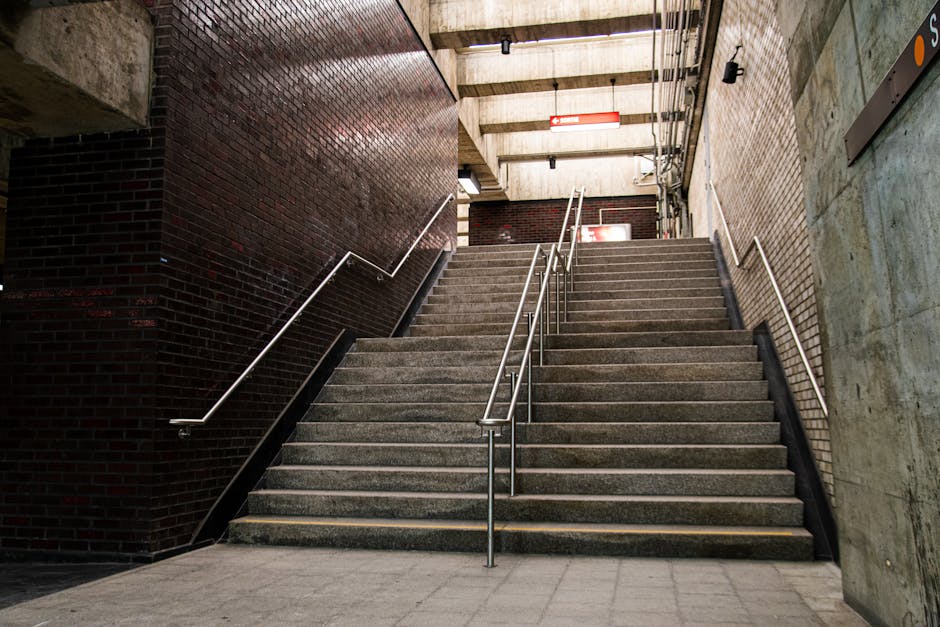
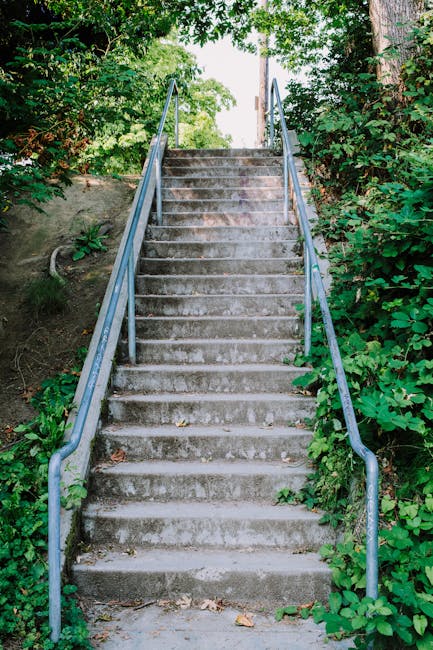
Moving out of a flat in E9 can feel straightforward right up until you meet the stairs. Then the job changes. A narrow landing, a tight turn, a long walk to the van, and suddenly every box matters. These E9 flat removal tips for steep stairs and long carries are designed to help you plan a safer, calmer move without the usual last-minute panic. If you are dealing with an upstairs flat, a second-floor walk-up, or a property where the van cannot park close by, a little preparation goes a very long way.
Truth be told, the difference between a stressful move and a manageable one is rarely brute force. It is the order you do things in, the kit you use, and how honestly you judge the route. In this guide, you will get practical steps, common mistakes to avoid, and a few real-world decisions that make moving day much easier. You will also see where related services like flat removals, man and van, and packing services fit into the picture when stairs and long carries are part of the job.
Table of Contents
- Why steep stairs and long carries matter
- How a difficult E9 flat move works in practice
- Key benefits of planning properly
- Who this advice is for
- Step-by-step moving guidance
- Expert tips that actually help
- Common mistakes to avoid
- Tools, resources and sensible recommendations
- Law, compliance and best practice
- Options and methods compared
- A real-world example
- Practical checklist
- Conclusion
- Frequently asked questions
Why E9 flat removal tips for steep stairs and long carries Matters
Steep stairs and long carries change the entire risk profile of a move. A sofa that would be simple with ground-floor access becomes awkward, heavy, and frankly a bit of a menace when it needs to be turned on a landing. Add a long walk from the front door to the vehicle and you are not just moving furniture anymore; you are managing fatigue, timing, access, and safety all at once.
In E9, many homes and flats sit in older buildings or layouts where access is less generous than people hope. Tight communal stairwells, split-level entrances, parking pressure, and long walks to the loading point are all common enough that they deserve proper planning. If you ignore them, you usually pay for it in delays, damaged items, sore backs, and a move that drags on into the evening. And nobody wants to still be carrying boxes when the light is fading and the kettle is buried somewhere in a pile of tape.
There is another reason it matters: stairs and long carries affect what kind of removal support you actually need. A simple van hire is not always enough. Sometimes you need a smaller, more agile vehicle, a loading plan, or extra hands on the day. For many households, comparing local removals and small removals options makes the job feel much less overwhelming.
Expert summary: If the route is awkward, the move is not "just a quick lift". Treat stairs, landings, and carry distance as part of the removal job itself, not as an afterthought.
How E9 flat removal tips for steep stairs and long carries Works
The basic principle is simple: reduce the number of times each item is handled, reduce the amount of lifting, and make each journey from flat to vehicle as direct as possible. That means planning the route, grouping items sensibly, and choosing packing methods that suit the building rather than just the contents.
In practice, a difficult flat move works best when you break it into stages. First, assess the access. Measure stair width, note any sharp corners, check whether there is a lift, and think about where the van can legally and safely stop. Then sort items into priority groups: essentials, fragile items, awkward items, and heavy furniture. After that, pack for movement, not storage. If a box will be carried downstairs three times before it reaches the van, it needs to be sturdy, balanced, and not overfilled.
For some moves, the smartest approach is to use a service that can combine transport with access-aware loading. That is where removals and storage can help if you need to move out in stages, or self storage if you want to clear space before the final moving day. It is not just about where your things go. It is about creating breathing room so you are not trying to carry everything, everywhere, all at once. Sounds obvious. Yet people skip it all the time.
A good move is built around flow. Boxes should be stackable. Furniture should be dismantled where possible. The corridor should stay clear. The person carrying should know where they are going. And ideally, the item only gets lifted once at each stage. That alone can save a surprising amount of time and effort.
Key Benefits and Practical Advantages
When you plan properly for steep stairs and long carries, you get benefits that go beyond avoiding a headache on moving day. You also protect your belongings, your walls, your stair rails, and your own energy. That matters more than people think.
- Lower risk of damage: Smaller lifts, better wrapping, and fewer awkward turns reduce knocks and scuffs.
- Less physical strain: You spread the load more sensibly and reduce the chance of a rushed lift gone wrong.
- Faster loading and unloading: A clear plan means fewer wasted trips and less standing around.
- Better parking and route use: Knowing where the van goes avoids those awkward "we'll just stop here" moments that turn into a two-minute carry becoming twelve.
- Less stress for everyone involved: The whole move feels more controlled, which keeps tempers cooler. Handy, that.
There is also a less obvious benefit: you often discover problems early. If a wardrobe will not fit around the landing, or a mattress will be difficult on the stairs, you can dismantle it before moving day instead of trying to solve it while blocked in a stairwell. That kind of foresight is what separates an organised move from a heroic rescue mission.
If your move includes items you cannot take straight away, it can be worth looking at short term storage or mobile self storage. Those options can reduce pressure on a cramped staircase by letting you move less on the day itself.
Who This Is For and When It Makes Sense
This advice is useful for anyone moving from an upper-floor flat in E9, but it is especially relevant if your building has steep internal stairs, no lift, or a long external carry to the street. It also makes sense if you are moving during a busy period, trying to keep costs down, or handling a move with limited help.
You will likely benefit from these tips if you are:
- leaving a top-floor flat with narrow or winding stairs
- moving bulky items such as sofas, beds, wardrobes, or white goods
- working with limited parking or a long walk from entrance to van
- trying to coordinate family, friends, or neighbours as helpers
- packing on a tight timeline and need a more efficient system
- trying to avoid damage in a rented property where deposit deductions matter
It also makes sense for students, sharers, and small households. A one-bed flat can still be awkward if the access is poor. In fact, small moves can sometimes be the trickiest because people underestimate the number of trips. One or two heavy items, a few too many books, and suddenly everyone is puffing halfway up the stairs.
If you know in advance that your building access is limited, a service like house removals may be more suitable than trying to improvise on the day. For some people, especially in compact London buildings, the best move is to treat the access problem as the main job, not a side issue.
Step-by-Step Guidance
Here is a sensible process you can follow. It is not fancy, but it works.
- Survey the route before moving day. Walk from the flat to the van space and look for narrow stairs, low ceilings, sharp turns, and anything likely to snag. Measure if you need to. Eyeballing it is fine until it is not.
- Decide what can be dismantled. Beds, tables, shelving, and some wardrobes are easier to move in parts. Keep fixings in clearly labelled bags.
- Group items by weight and fragility. Heavy items should be packed low and in smaller containers. Fragile items should be cushioned and kept separate.
- Create a loading order. Put the first things needed at the front of the flat, and the last things needed near the exit. This avoids the endless shuffle through hallways.
- Protect the route. Use blankets, corner protectors, or simple coverings where scuffs are likely. Communal hallways can be unforgiving.
- Assign roles on the day. One person can guide the route, one can manage the door, and one or two can carry. Too many people on the stairs just creates a human traffic jam.
- Keep a clear landing. Never let boxes pile up where they block turning space. That is how delays become accidents.
- Use shorter lifts. If something feels wrong to carry in one go, stop and split it. There is no prize for pretending otherwise.
- Check the van loading plan. Heavy items should be secure first, with lighter items filling gaps. The van should not sound like a cupboard collapsing every time you hit a pothole.
- Do a final walk-through. Check cupboards, loft spaces, under beds, sockets, and communal areas before you leave.
A small but useful detail: pack a separate "first-night" box and keep it easy to reach. Charger, tea bags, loo roll, basic toiletries, a knife or scissors, and keys. You will thank yourself later. Everyone does.
Expert Tips for Better Results
Experienced movers tend to focus on a few things that make a big difference, especially in awkward properties.
1. Move less air
Boxes should be full enough to stay stable, but not so full that they become impossible to carry. Half-empty boxes collapse; overfilled boxes split. Aim for balance. Books in small boxes, soft items in larger ones. Sounds simple because it is.
2. Protect hands, not just furniture
Grip matters on long carries. Gloves with decent grip can help on smooth boxes or metal handles, and they make repeated trips less tiring. Damp stairwells or rainy-day thresholds can be especially slippery in E9, particularly on a grey morning when everything looks a bit shinier than it should.
3. Use the stairs in a rhythm
When carrying awkward items, rhythm matters. The lead person should move steadily and communicate clearly before each turn or landing. Short phrases help: "pause", "turn", "clear", "down". It is not glamorous, but it prevents confusion. And confusion on stairs is expensive.
4. Keep the heaviest items near the van door
If the walk from the flat to the road is long, place the heaviest items in the van load order so they sit closest to the rear doors. That way, unloading at the destination is faster and safer.
5. Use storage as a pressure valve
If you are downsizing, waiting on keys, or moving in stages, use storage to reduce the volume you are trying to carry through a difficult route in one day. A short pause can save a lot of strain. For longer projects, long term storage may be a better fit.
One honest tip? Do not let pride choose the move plan. A staircase does not care how fit you are, and your back definitely keeps score.
Common Mistakes to Avoid
Most bad moving-day experiences come from a short list of predictable errors. The good news is that nearly all of them are avoidable.
- Underestimating the route: A long carry changes the whole timetable. Build in more time than you think you need.
- Overpacking boxes: Large heavy boxes are a recipe for drops, strain, and grumbling.
- Leaving dismantling until the last minute: If furniture needs to come apart, do it before the moving crew arrives or before the van is at the door.
- Blocking stair landings: Landings should stay clear. They are not waiting areas for spare boxes.
- Ignoring parking realities: If the van cannot stop close enough, your move becomes harder by default.
- Using the wrong help: Friends are lovely, but they may not be the best match for tight stairs and a heavy wardrobe. Be fair about that.
- Forgetting to protect the property: Small scrapes can become tenant issues, especially if you are moving out of a rented flat.
There is also the emotional mistake: rushing because you want it over with. Completely understandable. But moving fast and moving well are not the same thing. Slowing down by a minute often saves twenty later.
Tools, Resources and Recommendations
You do not need a warehouse of specialist kit, but a few practical tools can make a steep-stair move much easier.
| Tool or resource | What it helps with | When it is worth having |
|---|---|---|
| Sturdy small boxes | Heavy items like books and kitchenware | Always, especially on stairs |
| Furniture blankets | Protecting corners and finishes | For wooden furniture, TVs, mirrors, and appliances |
| Ratchet straps | Securing loads in the van | Useful for long carries and multi-item loads |
| Dolly or sack truck | Reducing repeated lifting | When the route is fairly even and the stairs are not the main obstacle |
| Clear labels and markers | Faster sorting and easier unloading | Essential for organised moves |
| Storage option | Reducing the load on moving day | If space is tight, timings are split, or you are downsizing |
If you are deciding between packing yourself and getting help, think about where time is being lost. A professional packing team can speed up the awkward bits, especially for fragile or high-volume rooms. That is why some customers pair moving support with packing services rather than trying to do everything after work in a tired rush.
For people moving very little, a flexible service like man and van can be a good fit. For bigger family homes, a more complete removals solution may be more efficient. There is no universal answer; the best choice depends on stairs, distance, and volume.
Law, Compliance, Standards, or Best Practice
When a move involves steep stairs, shared entrances, or common parts, good practice matters as much as speed. You are not normally dealing with complicated regulation as a customer, but there are still sensible standards to follow.
First, any handling should be safe and controlled. In UK moving practice, that means not overloading carriers, not rushing unsafe lifts, and taking account of the route before lifting. If a move is on a managed property, respect building rules around access, loading bays, lift protection, and communal hallways. Those rules are there for a reason, even if they feel annoying for half an hour.
Second, check insurance and safety arrangements before booking any help. You want to know how goods are handled, what happens if an item is damaged, and what protection exists for the property itself. A reputable provider should be clear about this. If you want to understand the basics before you book, review insurance and safety and the company's health and safety policy. It is not exciting reading, granted, but it does tell you a lot about how seriously a firm treats awkward access and risk.
Third, if you are comparing providers, look for clarity in pricing, access notes, and what is included. Transparent quoting is especially important for long carries because the time on site can differ quite a lot from a straightforward ground-floor move. If you are unsure, a proper pricing and quotes discussion is worth having before moving day.
Options, Methods, or Comparison Table
There is more than one way to handle an E9 flat move. The right method depends on your budget, the access, and how much you are trying to move.
| Approach | Best for | Strengths | Limitations |
|---|---|---|---|
| DIY with friends | Light moves, small flats, low budgets | Cheap, flexible, simple for a few items | Risky on steep stairs; prone to delays and tiredness |
| Man and van | Small to medium moves with awkward access | Good balance of cost and help, suitable for long carries | May need good packing and clear access planning |
| Full removals service | Larger homes or bulky furniture | More support, better for complex jobs | Usually more expensive than basic transport |
| Removals plus storage | Staged moves, downsizing, timing gaps | Reduces pressure and lets you split the job | Requires planning around access to stored items |
If you are moving in a particularly tight space, the cheapest option is not always the best value. A slightly better organised service can save enough time, stress, and damage risk to justify the difference. That is especially true where long carries eat into the day.
Case Study or Real-World Example
Imagine a one-bedroom flat on the upper floors in E9. The staircase is steep and narrow, the front entrance opens onto a shared path, and the van cannot park right outside. Nothing impossible, but definitely fiddly.
The move starts with a quick route check the day before. The bed frame is dismantled. The books are packed into small boxes instead of one heroic carton that would have been far too heavy. A mirror, a lamp, and kitchen crockery are wrapped separately. The hallway stays clear because the boxes are staged in the bedroom and then moved down in a steady order.
On moving day, the key change is this: the team knows the route, knows the loading order, and knows where the van will wait. Instead of random lifting, they work in a rhythm. One person carries, one person spots the landing, and one person handles the door. A five-minute pause is taken after the heavier items. No drama, just sensible pacing.
The result? Fewer trips back upstairs, less wall scuffing, and a move that finishes while everyone still has some energy left. Not glamorous. But very effective.
That is the point of good E9 flat removal tips for steep stairs and long carries. They are not tricks. They are habits that stop a hard move from becoming a horrible one.
Practical Checklist
Use this checklist before moving day. It is simple, but it catches most of the avoidable problems.
- Measure stair width, landings, and any awkward turns
- Check where the van can park and how far the carry will be
- Decide which furniture needs dismantling
- Pack heavy items into small, manageable boxes
- Label boxes clearly by room and priority
- Keep pathways and landings clear
- Protect walls, bannisters, and corners where needed
- Prepare tools, tape, scissors, and bags for fixings
- Set aside a first-night essentials box
- Confirm access arrangements and timings
- Check insurance and safety details if you are using a removals company
- Have a backup plan for items that will not fit through the stairwell
Quick reality check: if a large item looks difficult when you are calm and sober on a Tuesday afternoon, it will not magically become easy on a Saturday morning with a clock ticking. Best to plan properly.
If your move is becoming more complex than expected, stepping up to flat removals support can make the whole process more controlled. And if you need somewhere to put a few things while you sort the rest, short term storage is often the easiest pressure release valve.
Conclusion
E9 flat moves are rarely difficult because of one big issue. Usually it is the combination: steep stairs, a long carry, awkward corners, and too many things to do at once. Once you see the move for what it is, the solution becomes clearer. Reduce the load. Protect the route. Pick the right help. Keep the order tight.
That is the quiet difference between a move that feels frantic and one that feels under control. You do not need perfection. You just need a better plan than "we'll make it work somehow".
Get a free quote today and see how much you can save.
And if today's move feels like a lot, that is normal. One careful decision at a time is enough.
Frequently Asked Questions
What are the best E9 flat removal tips for steep stairs and long carries?
The best tips are to assess the route early, pack heavy items into smaller boxes, dismantle furniture where possible, and plan the van loading order before moving day. Those basics cut most of the stress.
How do you move furniture down steep stairs safely?
Use two people where needed, keep the item balanced, communicate clearly on turns and landings, and do not force a piece that feels too large for the stairwell. If it looks awkward, it probably is.
What should I do if the van cannot park close to the flat?
Build the long carry into your timetable and decide in advance who will carry, who will guide, and where items will be staged. If the walk is very long, a smaller or more flexible removal setup may be easier.
Is a man and van suitable for steep stairs?
Yes, often it is. A man and van service can be a sensible choice for smaller moves or awkward access, especially when you do not need a full-scale removals team.
How can I avoid damaging walls and bannisters?
Protect the route with blankets or coverings where appropriate, keep boxes compact, and avoid turning too quickly on landings. One careful person spotting the corners can save a lot of scuffs.
Should I dismantle my bed before moving?
Usually yes, if it will make the stair carry easier. Dismantling beds, tables, and shelving often reduces the risk of damage and makes the move much smoother.
What if I have too much stuff for one move?
Split the move. Use short term storage or a staged removals plan so you are not trying to force everything through one difficult access route in one day.
How do I know whether I need full removals or just transport?
If you have bulky furniture, a long carry, or awkward stairs, full removals support may be better value than plain transport. For a lighter load, transport alone may be enough.
Do I need special packing for a long carry?
Yes, sensible packing matters. Keep boxes balanced, avoid overfilling, and wrap fragile items well. Boxes that can survive being carried a few extra times are worth the effort.
What is the biggest mistake people make on moving day?
Underestimating the access. A steep staircase or long carry can easily add time, strain, and confusion if it is not planned for properly. That one catches people out all the time.
Can storage help if my moving dates do not line up?
Absolutely. Removals and storage is a good option if your sale, tenancy, or keys are not perfectly aligned. It gives you space to move in stages.
Are these tips useful for students or small flat moves?
Very much so. Small flats and student moves often have the same staircase problems as larger homes, just with fewer boxes. The principle is the same: reduce load, simplify the route, and keep the process calm.
Moving out of a flat is never completely effortless, but it does not have to be chaotic either. With the right plan, even steep stairs and long carries become manageable, and that is a genuinely good feeling when the last box is finally by the door.